Drukyul, as Bhutan is known here, is a land of arresting contrasts – and uncommon harmony. It’s a place where people can find peace and do business, experience living traditions and discover wilderness teeming with life.
Capital & People
Capital city: Thimphu
Population: Around 780,000–880,000 people (2023–2025 estimates).
Official language: Dzongkha (English widely spoken)
Bhutanese society is culturally diverse with ethnic groups such as Ngalop, Lhotshampa, and Sharchop, and a majority practicing Buddhism, alongside Hindu communities.
There are 19 languages spoken in Bhutan, but the national language is Dzongkha. English is used throughout Bhutan’s education system, so it is widely used and understood.
Gross National Happiness (GNH)
Bhutan measures progress using the world‑unique Gross National Happiness index, prioritizing well‑being, sustainable development, cultural preservation, and environmental protection over pure economic output.
Culture & Traditions
Deeply influenced by Buddhist traditions — visible in architecture, festivals, and daily life.
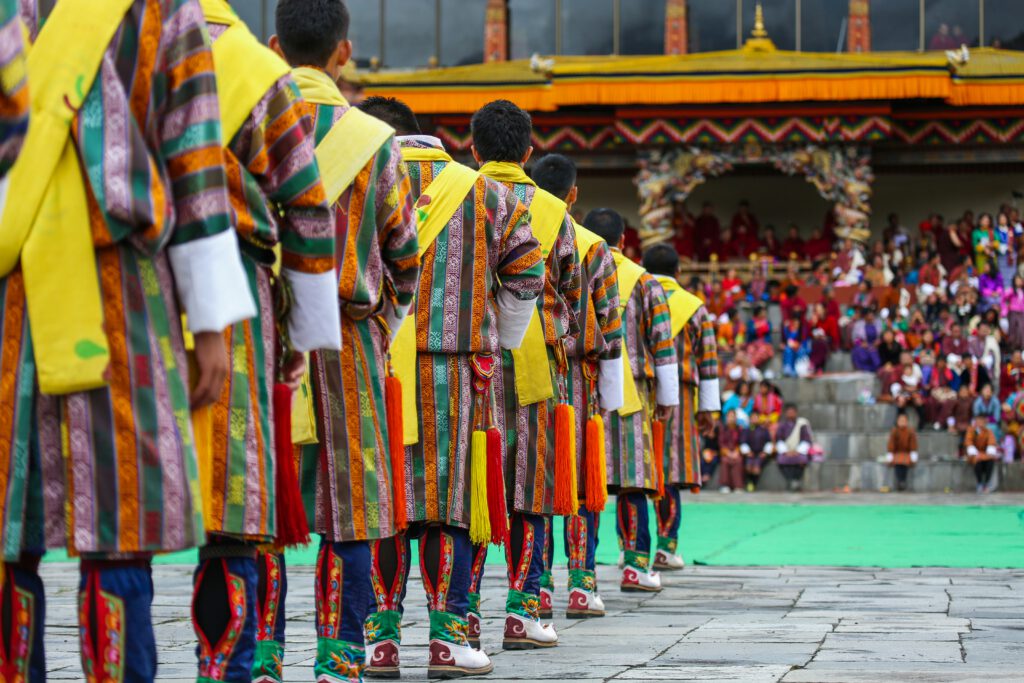
Traditional dress remains common: gho for men and kira for women.
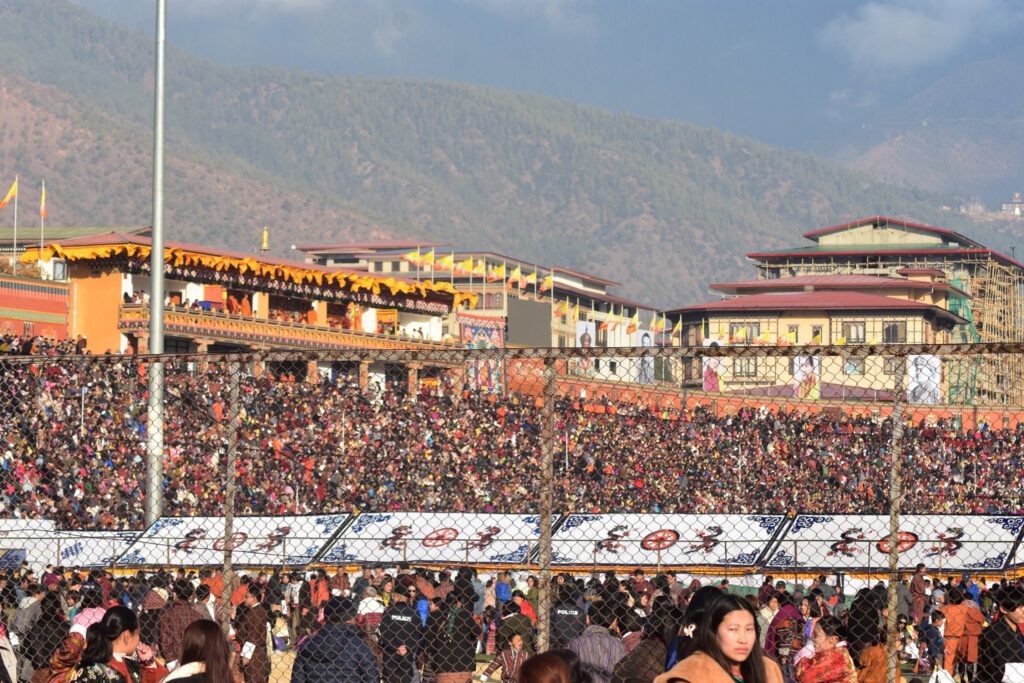
Annual festivals like Tshechu feature masked dances, spiritual rituals, and community gatherings.
Environment & Conservation
Bhutan is globally celebrated as a carbon‑negative nation with constitutional obligations to preserve forests and nature.
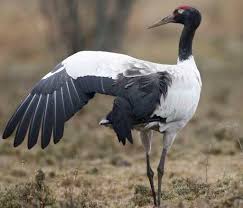
Over 70 % forest cover and abundant biodiversity — from snow leopards and red pandas to black-necked cranes.
Landscape & Attractions
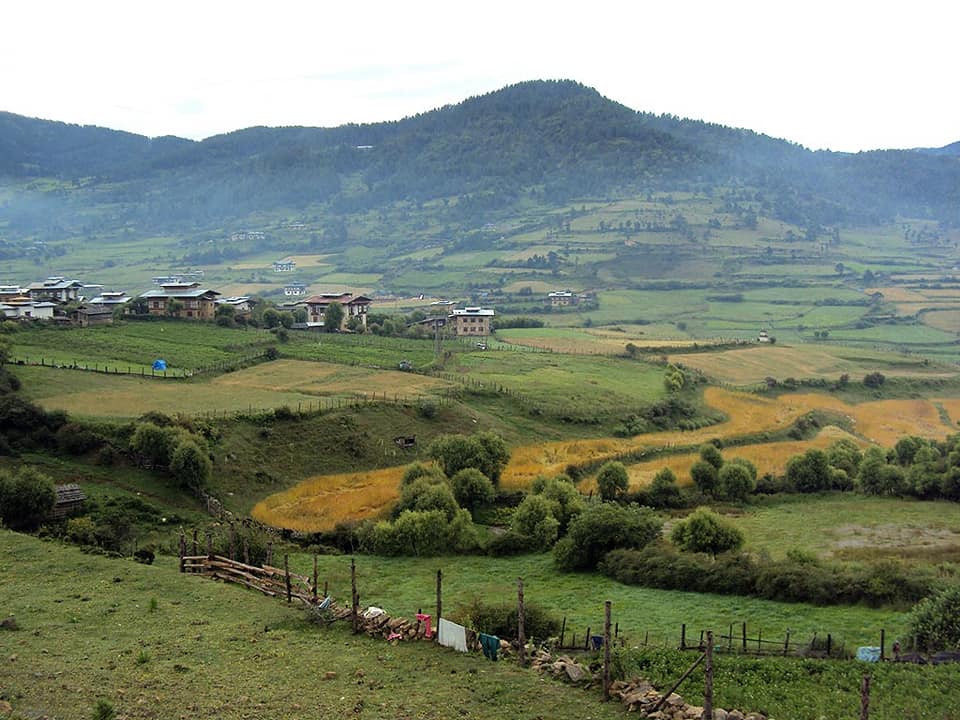
Bhutan’s beauty lies in its pristine landscapes and rich cultural heritage:
Tiger’s Nest Monastery (Paro Taktsang): Cliffside sacred site and key spiritual destination.
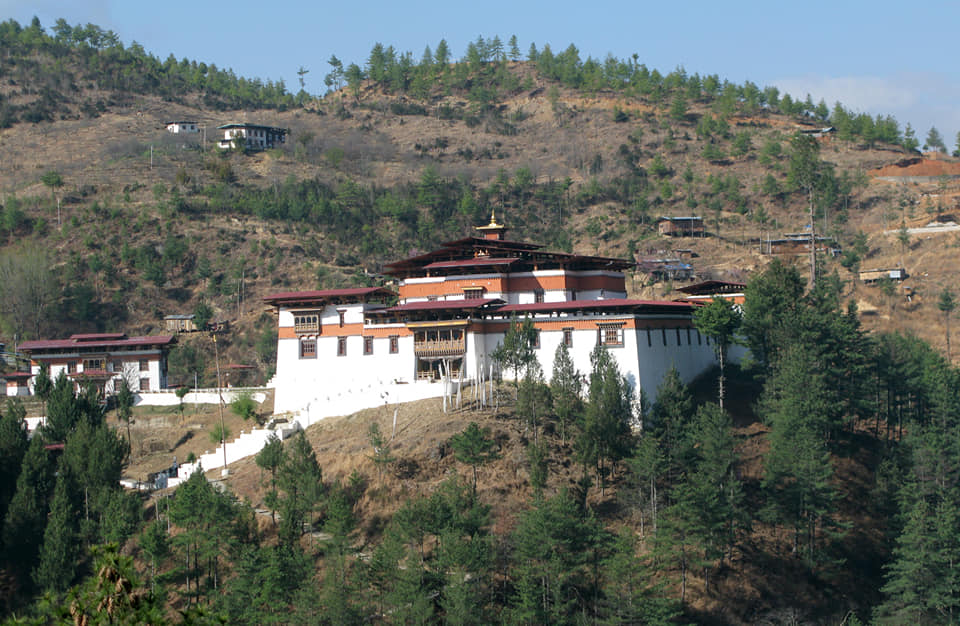
Dzongs: Fortified monasteries that serve as cultural and administrative hubs throughout the country.
Phobjikha Valley: Scenic glacial valley and winter home for black‑necked cranes.
Gelephu Mindfullness City
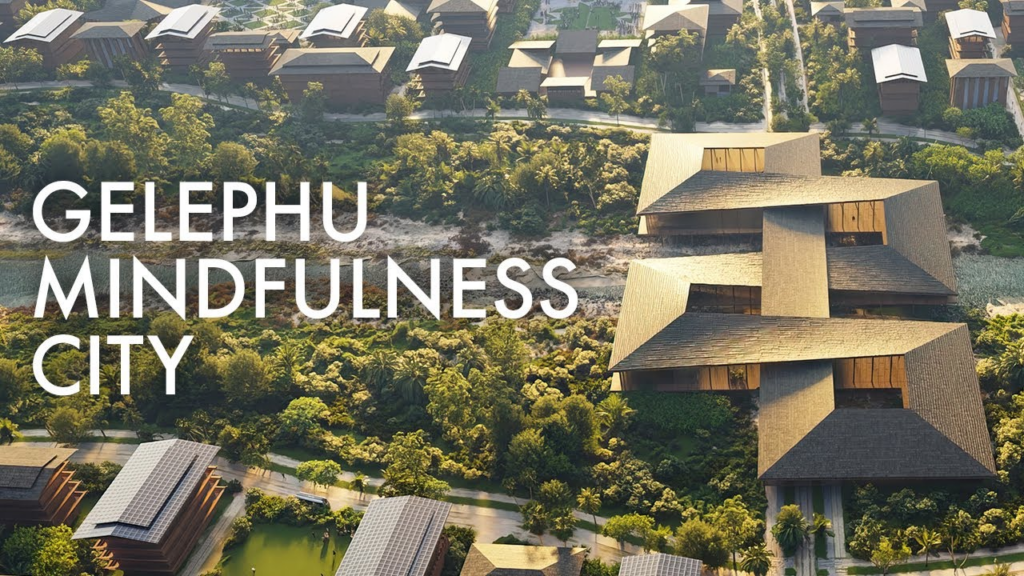
Gelephu, a growing city in southern Bhutan, is pioneering a unique approach to urban development by emphasizing mindfulness and well-being. Nestled in a lush, green environment, Gelephu integrates features such as meditation centers and community wellness programs to promote mental and emotional health. This development strategy aligns with Bhutan’s Gross National Happiness philosophy, which prioritizes the overall well-being of its citizens over economic growth. By incorporating mindfulness into its urban planning and public spaces, Gelephu aims to create a harmonious and supportive living environment, reflecting Bhutan’s broader commitment to balanced and sustainable development. Learn more at Gelephu Mindfulness City.